
How Can You Tell If You Have Rats in Your House: Signs, Symptoms, and Solutions
Rats are more than just a nuisance; they can pose serious health risks and cause significant damage to your home. Understanding how to identify a rat infestation and how to tell if you have rats in your home is crucial for timely action. In this blog, we’ll explore the signs of rats in your house, what to do if you suspect an infestation, and preventive measures you can take to keep your home rodent-free.
How can you tell if you have rats? Common Signs of a Rat Infestation
1. Droppings
One of the most telling signs of a rat infestation is the presence of droppings. Rat droppings are typically dark brown or black and resemble small, cylindrical pellets. You might find them near food sources, along walls, or in hidden corners. If you spot droppings, it’s essential to take immediate action, as they can carry diseases.
2. Gnaw Marks
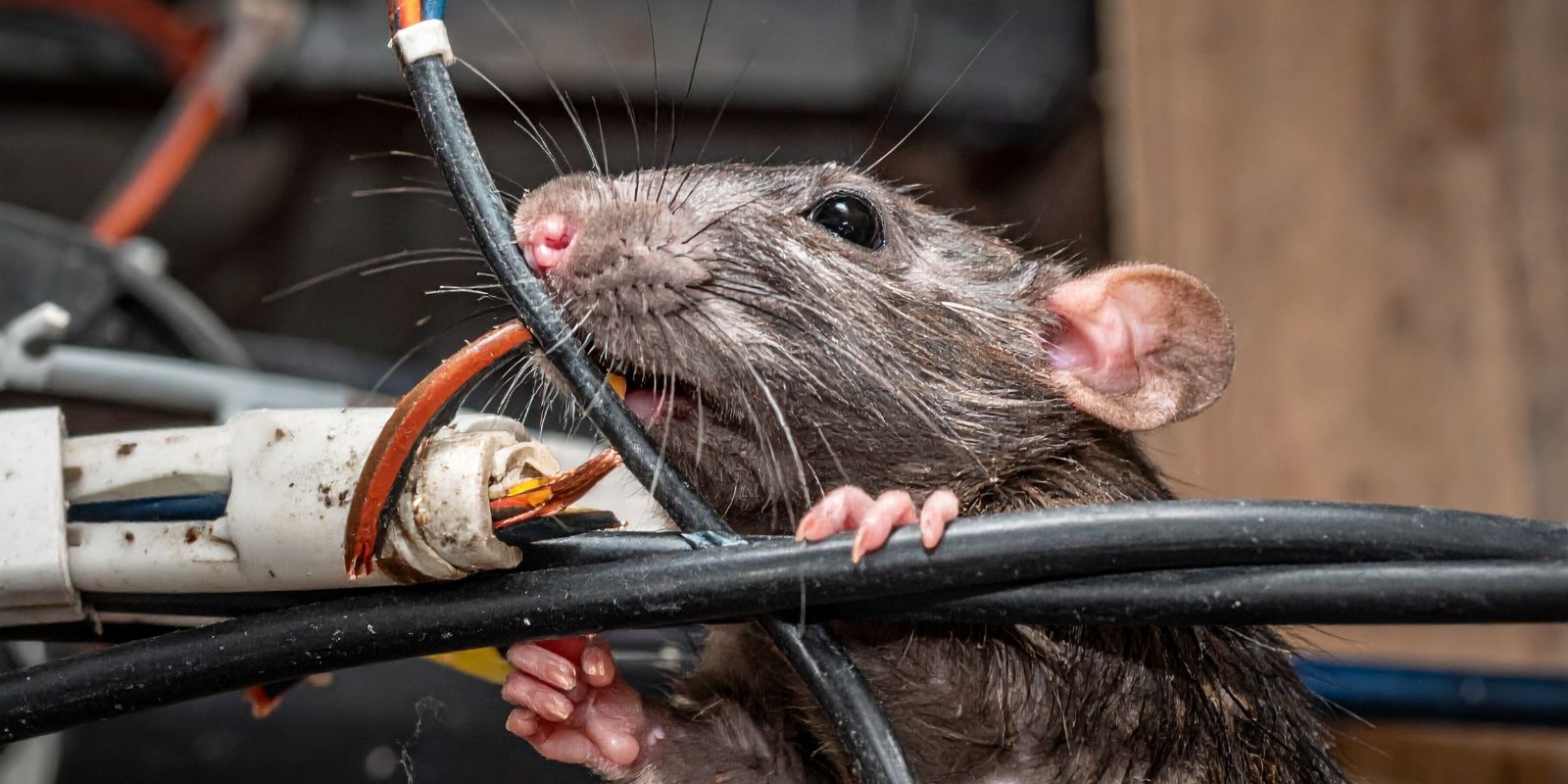
Rats have continuously growing teeth, so they need to gnaw on various materials to keep them trimmed. Look for gnaw marks on wooden furniture, wires, and plastic items. These marks are often a telltale sign that rats are actively trying to gain access to your home.
3. Nests
Rats often build nests using soft materials like paper, insulation, or fabric. If you find shredded materials in hidden areas of your home, such as attics, basements, or behind appliances, it could indicate a rat nest. Check for nests in places that are dark and undisturbed.
4. Sounds
Rats are nocturnal creatures, and you may hear them scurrying around at night. Listen for scratching sounds, squeaks, or the rustling of materials in walls, ceilings, or under floors. If you hear these noises, it’s time to investigate further.
5. Smells
A strong, unpleasant odor can be a sign of a rat infestation. Rats produce a musky scent that can permeate areas where they reside. If you notice a lingering smell, especially in hidden corners of your home, it may indicate that rats are nearby.
6. Footprints and Urine Stains
Rats often leave behind footprints and urine stains. You can identify footprints by dusting areas where you suspect activity with flour or talcum powder. If you notice tiny footprints, it’s a clear sign of rat presence. Additionally, urine stains can appear as dark marks and may glow under UV light.
7. Damage to Food
If you find chewed packaging or food items in your pantry, it’s a strong indication that rats are scavenging for food. Check for holes in bags, gnaw marks, or spilled food items that suggest a rat has been feasting.
8. Rodent Tracks
In dusty areas or basements, you might find tracks left by rats. These tracks are often visible as small, smudged lines. Observing these can help confirm an infestation.
The Hidden Dangers Rodents Pose to Your Home
While many homeowners focus on the visible signs of rats, much of the most serious damage happens out of sight — often in loft spaces, wall cavities, and under floorboards.
Rodents have incredibly strong teeth that grow continuously, which means they are constantly gnawing. This behaviour can lead to:
Chewed Water Pipes
Rats can gnaw through plastic and even softer metal pipework. This can result in hidden leaks inside walls or ceilings, leading to damp issues, mould growth, costly repairs, and structural damage before you even realise there’s a problem.
Damaged Electrical Cables
One of the most dangerous risks is when rodents chew through electrical wiring, particularly in loft spaces. Exposed wiring dramatically increases the risk of electrical faults and can potentially cause house fires.
Contaminated Water Tanks
In properties with loft water tanks, rodents can access and defecate in the water supply. This contamination poses serious health concerns for anyone using that water.
Soiled Insulation and Airborne Contaminants
Rodents frequently defecate and urinate over loft insulation. Over time, this can create harmful spores and bacteria that circulate in the air you breathe, impacting indoor air quality and potentially aggravating respiratory issues.
Structural Damage
Gnawing through wooden beams, joists, and structural timbers weakens the integrity of your home. What may start as minor chewing can develop into significant structural concerns if left unchecked.
Because much of this damage occurs in hidden areas, infestations can go unnoticed for weeks or even months — increasing both the health risks and repair costs.
Health Risks Associated with Rats
If you suspect that you have rats in your home, it’s essential to understand the potential health risks. Rats are known carriers of various diseases, including:
- Leptospirosis: A bacterial infection that can be spread through contact with rat urine.
- Hantavirus: A serious disease that can be transmitted through contact with rodent droppings or urine.
- Salmonella: Rats can carry this bacterium, leading to food poisoning.
- Rat-bite fever: An illness caused by bacteria that can be transmitted through bites or scratches.
Steps to Take If You Suspect Rats
If you’ve identified signs of rats in your home, taking immediate action is crucial. Here’s what you can do:
- Do Not Panic: While an infestation can be alarming, it’s important to stay calm and address the issue methodically.
- Inspect Your Home: Conduct a thorough inspection of your home to identify the extent of the infestation. Look in dark corners, behind appliances, and in storage areas.
- Seal Entry Points: Rats can enter your home through surprisingly small openings. Seal gaps around pipes, vents, and other potential entry points using steel wool or caulk.
- Remove Food Sources: Ensure that all food items are stored in airtight containers, and clean up any spills or crumbs that may attract rats.
- Contact Professionals: If the infestation is significant, it’s best to contact pest control professionals. They have the expertise and tools to handle the situation safely and effectively. Also having a full understanding of rodent behaviour will allow them to spot entry points that you may not have noticed or thought would be accessible by rodents.
Preventive Measures
Preventing a rat infestation is much easier than dealing with one. Here are some effective preventive measures:
- Maintain Cleanliness: Regularly clean your home, especially the kitchen and dining areas, to eliminate food sources that attract rats.
- Store Food Properly: Keep food in sealed containers and avoid leaving pet food out overnight.
- Trim Vegetation: Ensure that trees and bushes are trimmed away from your home to minimise access points.
- Monitor Your Home: Conduct regular inspections of your home, especially during the fall and winter months when rats may seek shelter indoors.
- Proof your property: It is best to get an expert to inspect your home to identify which points need addressing, and advise you on how to seal them off effectively.
Conclusion
Knowing how to tell if you have rats is crucial to protecting your home and health. By being aware of the signs and symptoms, you can take appropriate action to eliminate the problem. Remember, prevention is key. By maintaining a clean environment and sealing entry points, you can significantly reduce the likelihood of a rat infestation. If you find yourself dealing with rats despite your best efforts, don’t hesitate to seek professional help. Taking prompt action can save you from the headaches and health risks associated with these unwelcome guests.
Don’t Guess — Get Expert Identification and Fast, Effective Solutions Before the Problem Grows
If you’ve noticed any of these warning signs, don’t wait for the problem to get worse. Rodent infestations can escalate quickly — and what looks like a rat could actually be a mouse, squirrel, or even birds nesting in your home. The experts at PreventiPest can inspect your property, confirm whether you have an infestation, and provide expert rodent control and extermination services to properties throughout Cornwall, in addition to providing preventative advice. Contact PreventiPest today for a professional assessment and regain peace of mind.


Leave a Reply